


Most retail store owners believe their biggest expenses are rent, salaries, or theft. But the real loss is something far more dangerous – because you can’t see it easily. It’s the silent loss hidden inside your inventory.
The Real Problem: Invisible Inventory Loss
In many retail stores, money doesn’t disappear suddenly. It gets blocked slowly in the wrong products.
Here’s what happens in everyday operations:
- Products remain unsold for months (dead stock)
- Fast-moving items go out of stock at the wrong time
- Slow-moving items are over-purchased
- There is no clear data on what actually sells
At first glance, everything looks fine. Sales are happening. Customers are coming.
But in reality, your working capital is stuck on the shelves.
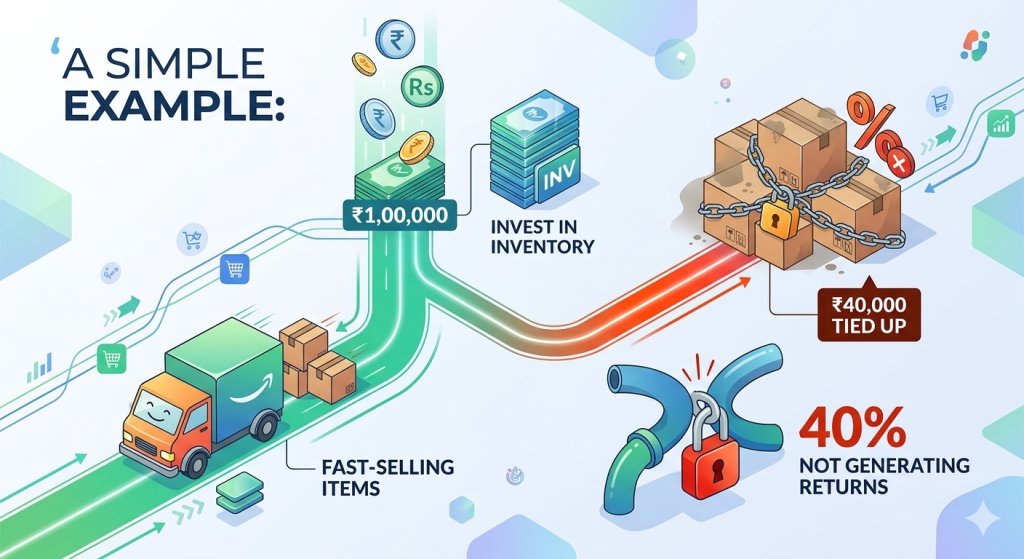
A Sample Example :
This is not just poor inventory management – it’s a direct hit on your profit.
Why Most Retailers Don’t Notice This
Because they focus only on:
- Daily sales
- Billing totals
- Cash collection
These numbers look positive, but they don’t tell the full story. A store can have good sales and still have poor profits.
Why? Because profit depends on:
- What you sell
- How fast it moves
- How efficiently you manage stock
What Smart Retailers Do Differently
- Successful retailers don’t rely on guesswork. They use data to make decisions.
Here’s what they focus on:
1. Track Fast-Moving vs Slow-Moving Items
They review reports weekly to identify:
- Best-selling products
- Non-moving inventory
2. Set Reorder Levels Based on Data
Instead of guessing, they:
- Maintain optimal stock levels
- Avoid stockouts of popular items
- Prevent overstocking
3. Focus on High-Margin Products
Not all sales are equal.
Smart retailers:
- Promote better-margin products
- Avoid pushing low-profit items unnecessarily
4. Reduce Dead Stock Continuously
They take action like:
- Running offers on slow-moving items
- Clearing old inventory
- Optimizing future purchases

Reality Check
Ask yourself this:
- Can your current system clearly tell you which products are not selling?
If the answer is no, then:
- You are not managing inventory
You are relying on assumptions
And in retail, assumptions cost money.
The Right Approach to Retail Profit
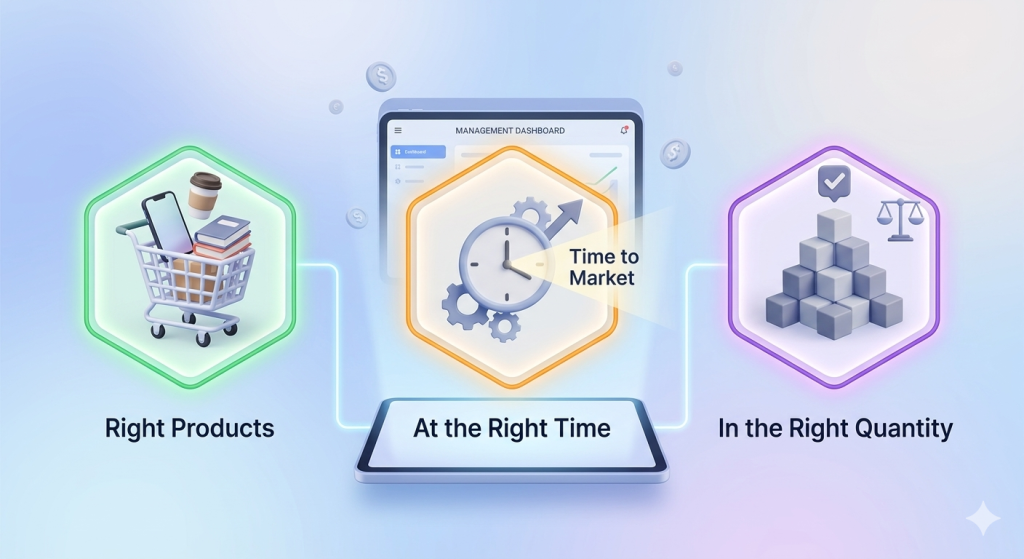
- Many store owners believe: “More sales = more profit”
But the truth is:
Final Thoughts
- Inventory is not just stock – it is your investment sitting on shelves.
Managing it properly can:

Key Question for You
Are you:
- Just checking daily sales? (OR)
- Actively tracking your dead stock and inventory performance?
Conclusion
- Retail success today is no longer about intuition. It’s about data-driven decisions. If you can control your inventory, you can control your profits.